President William Ruto has announced the construction of a new expressway along Thika Road, set to extend all the way to Museum Hill, as part of an ambitious infrastructure plan to alleviate traffic congestion and improve daily commutes for Nairobi residents.
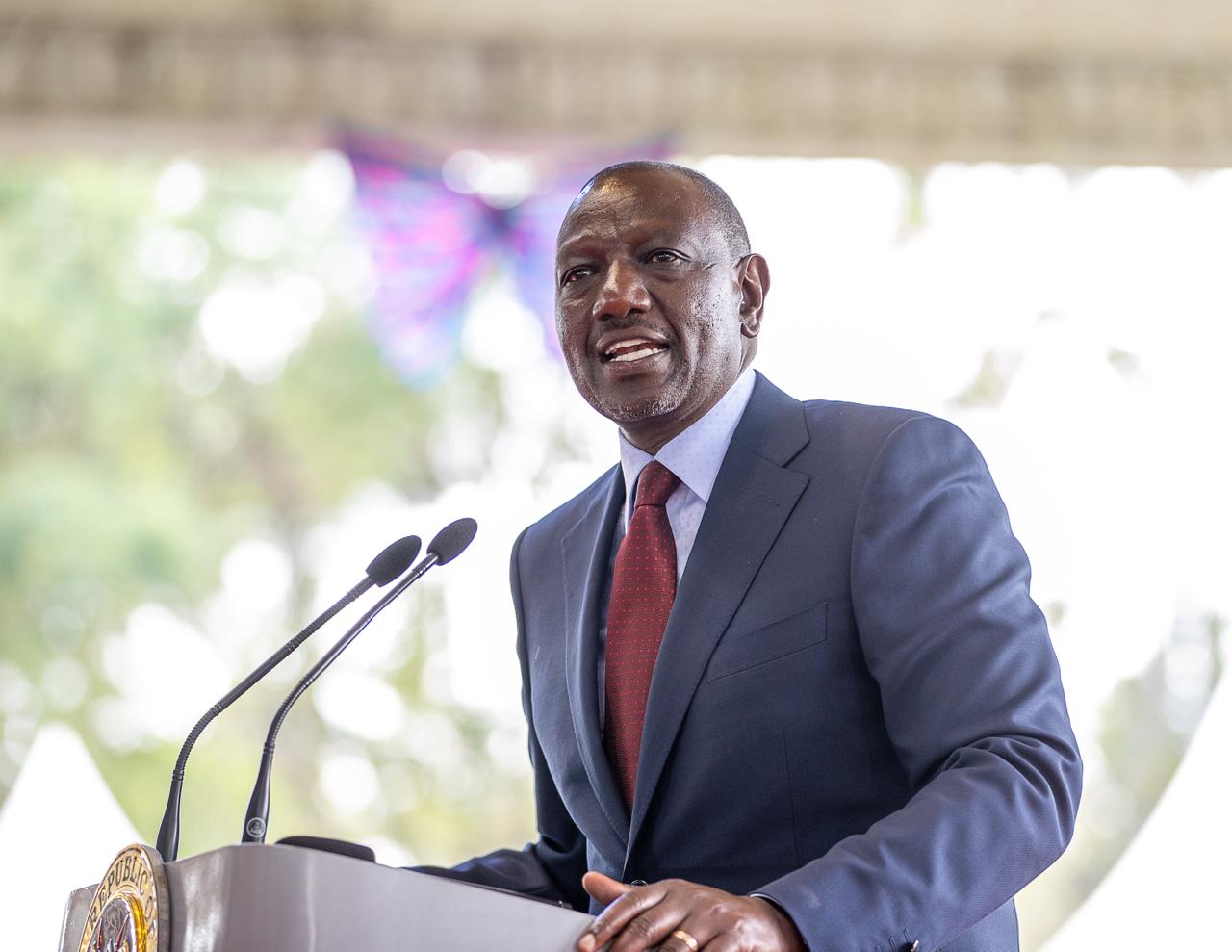
Speaking at the Jamhuri Day celebrations at Nyayo National Stadium, the President outlined the project as one component of a broader 10-year national infrastructure development roadmap designed to enhance roads, railways, airports, ports, and oil pipelines across the country.
In his address, Ruto explained that the expressway, along with other major infrastructure initiatives, is part of the government’s strategy to transform Kenya's transport networks.
“Our 10-year roadmap on road, rail, ports, airports, and oil pipeline infrastructure will expand strategic highways connecting cities, industrial zones, markets, border points, and agricultural areas to move people, goods, and services faster, safer, and more affordably,” Ruto said.
This plan is heavily reliant on Public-Private Partnerships (PPPs), which the President views as crucial for driving the rapid growth of Kenya’s infrastructure.
The planned Thika Road expressway will add to the already 27.1 km Nairobi Expressway, a vital elevated toll road that links Mlolongo near Jomo Kenyatta International Airport (JKIA) to the James Gichuru junction, easing congestion in the heart of Nairobi.
The new expressway will be a four-lane dual carriageway, with some sections widening to eight lanes, and will feature multiple interchanges, a total of 11.
The expressway will also implement a cashless tolling system through mobile money and electronic tolling (ETC), ensuring smoother passage and significant time savings for commuters.
This project is part of the ongoing effort to connect Nairobi with its surrounding areas and improve regional access to landlocked countries in East Africa.
Ruto also pointed out the significant investments in other transportation projects, including the expansion of Kenya's highway network.
“We have earmarked 2,500 kilometers of highways for dualing, and 28,000 kilometers of roads across the country are set for tarmacking,” the President revealed, highlighting the importance of improving infrastructure to link rural areas with urban centers, and boost economic activity in agricultural and industrial regions.
Additionally, Ruto announced the launch of two major road projects: the Nairobi-Nakuru-Mau Summit Road and the Nairobi-Maai Mahiu-Naivasha Road, both of which are expected to cost over Sh180 billion.
These projects, set to be developed through the PPP model, will deliver a 233 km multi-lane dual carriageway, significantly improving transport connectivity between major urban centers.
As part of the broader plan, Ruto mentioned that in February 2026, the Standard Gauge Railway (SGR) will be extended from Naivasha to Malaba, further strengthening Kenya’s rail network.
The President also spoke about the expansion of the oil pipeline from Eldoret to Uganda, set to create a new transport corridor linking Kenya with its regional neighbors.
The modernization of Jomo Kenyatta International Airport (JKIA) and other regional airports will also play a critical role in boosting connectivity and trade. Ruto emphasized the importance of integrating all these transportation projects into a unified development plan. “At the same time, we will modernize JKIA and several other airports to improve connectivity and the movement of people, goods, and services,” he stated.
In terms of port infrastructure, the ports of Mombasa and Lamu are also set for modernization and commercialization through long-term PPP arrangements, which will position them as key hubs for regional trade and economic growth.
Further, the President acknowledged the daily struggles of commuters along Thika Road, noting that many people experience long traffic jams. “I know there are many people living in Thika who are struggling with traffic jams, and next year we will build an expressway from Thika up to Museum Hill to eliminate these jams,” he said, reiterating his commitment to improving the lives of ordinary Kenyans by reducing congestion and increasing mobility.
As part of this wider development strategy, Ruto announced plans to begin the construction of the road from Bomas of Kenya-Rongai-Kiserian to ease congestion next year. These projects form part of the administration's vision to use infrastructure as a means of driving economic growth, promoting trade, and improving the quality of life for all citizens.
The President's speech outlined how key infrastructure projects like the Thika Road expressway and others, including those related to agriculture, energy, and housing, are interconnected and form the backbone of a resilient economy that will serve all Kenyans, whether in urban centers or rural areas.
Ruto concluded that these initiatives, through Public-Private Partnerships (PPP), are transformational, helping to build a stronger, more connected Kenya. The infrastructure upgrades are also designed to create jobs and stimulate economic activity across the country, ensuring that Kenya remains competitive both regionally and globally.